

Guide to knowing when to rebrand
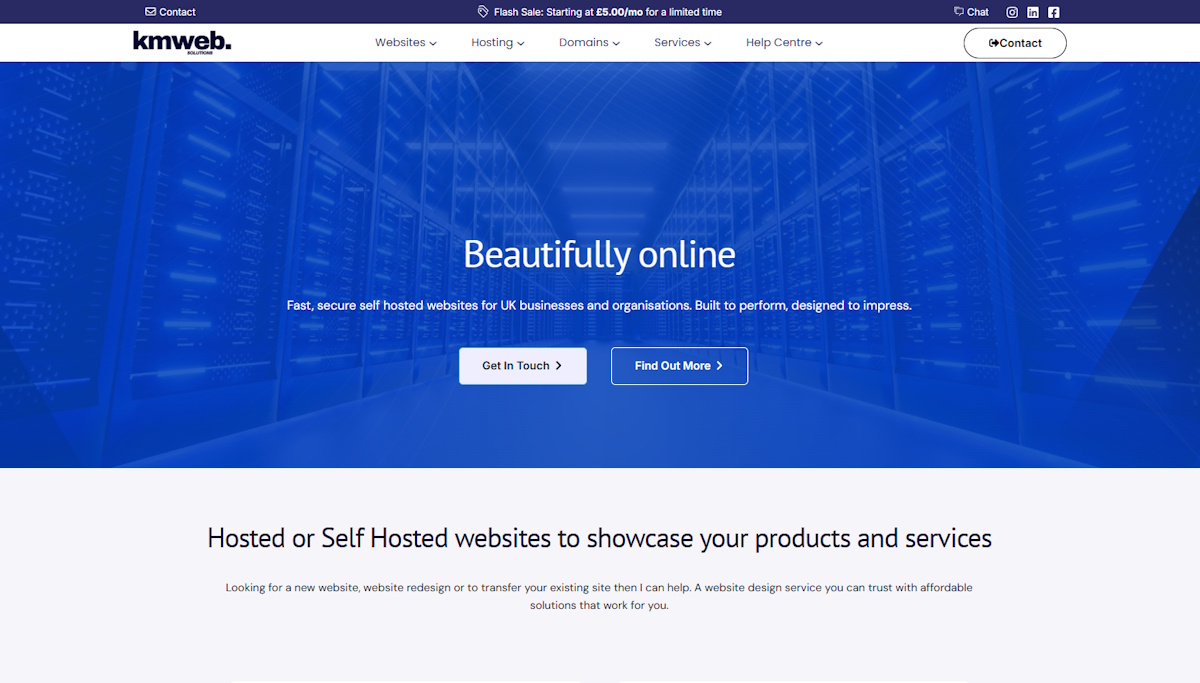
I have rebranded the business 3 times for multiple reasons, but mainly because the business direction and services have changed.
Intially I was focusing on offering websites, then hosting so I need to attract different types of customers.
Key reasons to rebrand
A business should consider rebranding when its current brand no longer accurately represents the company, supports its goals, or resonates with its audience. Rebranding can range from a logo refresh to a complete repositioning of the business.
1. The Business Has Evolved
Many companies outgrow their original branding.
Examples:
- New products or services have been added.
- The company serves a different audience than when it started.
- The original name or identity is too narrow.
- The business has expanded geographically.
Example: A local “Smith’s Web Design” agency now offers SEO, branding, and software development across multiple countries.
2. The Brand Looks Outdated
Design trends and customer expectations change.
Signs include:
- Old-fashioned logo.
- Dated website design.
- Inconsistent visual identity.
- Competitors appear more modern and professional.
A refreshed brand can improve credibility and first impressions.
3. Mergers, Acquisitions, or Ownership Changes
Rebranding can help unify organizations after structural changes.
Reasons:
- Two companies merge.
- New ownership wants a different direction.
- Multiple brands need to be consolidated.
- The business enters a new group structure.
4. Entering New Markets
A brand that works in one market may not work in another.
Challenges:
- Cultural differences.
- Language issues.
- Different customer expectations.
- Expansion into international markets.
Rebranding can make the business more relevant and accessible to new audiences.
5. Poor Brand Recognition
Sometimes the business is good, but the brand isn’t memorable.
Symptoms:
- Customers struggle to recall the company name.
- Weak differentiation from competitors.
- Low brand awareness.
- Generic positioning.
A stronger brand identity can improve recognition and recall.
6. The Company Has a Negative Reputation
Rebranding may help distance a company from past problems.
Examples:
- Public relations issues.
- Poor customer perception.
- Legal controversies.
- Historical baggage.
However, rebranding alone cannot fix underlying business problems. Operational improvements must come first.
7. Increased Competition
As markets become crowded, businesses often need stronger positioning.
Questions to ask:
- What makes us different?
- Why should customers choose us?
- Does our branding communicate our value clearly?
A rebrand can sharpen differentiation and competitive advantage.
8. Inconsistent Branding Across Channels
Businesses often accumulate brand inconsistencies over time.
Examples:
- Different logos in different places.
- Mixed messaging.
- Multiple visual styles.
- Separate brands created by different departments.
Rebranding can create a unified identity.
9. Target Audience Has Changed
The audience you serve today may not be the audience you started with.
For example:
- Originally targeting startups but now serving enterprise clients.
- Originally aimed at younger consumers but now attracting professionals.
- Shift from B2C to B2B.
The brand should reflect the audience’s expectations and values.
10. The Business Wants Premium Positioning
Some businesses outgrow a budget-focused image.
A rebrand may support:
- Higher pricing.
- Luxury positioning.
- Enterprise services.
- More sophisticated offerings.
Customers often judge quality based on branding before they evaluate the product itself.
11. Digital Performance Is Suffering
Branding affects online performance.
Potential issues:
- Low conversion rates.
- Weak website engagement.
- Poor trust signals.
- Confusing user experience.
A rebrand often includes website improvements that support lead generation and sales.
12. The Current Name Creates Problems
A company name may become limiting or problematic.
Examples:
- Difficult to spell or pronounce.
- Trademark conflicts.
- Geographic limitations.
**Example:** “London Plumbing Services” may be restrictive if the business expands nationwide.
13. The Company’s Mission Has Changed
When strategic direction changes, branding may need to follow.
Examples:
- Sustainability becomes a core value.
- Shift toward innovation.
- New company vision.
- Different market
positioning.
The brand should communicate what the business stands for today, not what it stood for years ago.
14. Recruiting and Employer Branding Challenges
Branding affects more than customers.
A modern brand can help:
- Improve employee pride.
- Support company culture.
- Strengthen employer
reputation.
This is especially important in competitive hiring markets.
15. The Business Wants Faster Growth
A strong brand can make growth easier by:
- Building trust more quickly.
- Increasing referral rates.
- Improving marketing effectiveness.
- Supporting expansion into new markets.
Many businesses discover that their branding becomes a bottleneck as they scale.
Warning Signs That a Rebrand May Be Needed
If several of these are true, a rebrand may be worth exploring:
- Your logo feels outdated.
- Customers misunderstand what you do.
- Your services have changed significantly.
- Competitors appear more modern.
- You struggle to differentiate yourself.
- Your website no longer reflects the quality of your work.
- Your target audience has evolved.
- Your brand lacks consistency.
- You are entering new markets.
- Growth has outpaced your original identity.
Reasons Not to Rebrand
Rebranding isn’t always the answer.
Avoid rebranding solely because:
- Sales have temporarily declined.
- Leadership is bored with the current brand.
- A competitor changed their branding.
- There is no clear business objective.
A successful rebrand should support measurable goals such as increasing awareness, improving positioning, attracting a new audience, supporting expansion, or strengthening trust.
The strongest rebrands happen when there is a clear gap between who the business is today and what the current brand communicates to customers.